Finding an old coin in a shoebox can feel like discovering a secret note from the past. The question that almost always follows is the same: “Is this worth anything?” This guide walks you through the process of checking value—step by step, with the tools, tricks, and trusted sources you need. No fluff; just practical advice that keeps your coin identification safe and gives you a realistic sense of what they might fetch on the market.
Содержание
Start Here: Identification Is Everything
The first thing to do with any coin is identify it clearly. Identity determines which market the coin lives in, what reference books you should consult, and which specialists might care about it. Identification is about the basics: country, denomination, date, mint mark, and any unusual features or errors.
Work slowly and methodically. Lay the coin on a soft surface under good light. Use a loupe or magnifier to read small details. Record the exact wording on the obverse and reverse, the date, and any mint marks (tiny letters indicating where it was struck). Mint marks can change a coin’s value dramatically; don’t overlook them.
Take clear, focused photographs of both sides. Multiple angles help experts and buyers judge wear, toning, and possible damage. If you plan to seek an appraisal online or by email, good photos will speed the process and reduce misidentifications.
Common ID elements to note
These are the pieces of information collectors and dealers will ask for first. Keeping them organized makes later steps easier.
- Country and denomination (e.g., “United States quarter” or “British threepence”)
- Date and mint mark (e.g., “1921 D” or “1964”)
- Obvious varieties or errors (double die, off-center strike, repunched mint mark)
- Metal (silver, gold, copper-nickel, bronze)—if you can tell
- Condition notes: heavy wear, cut, cleaned, holes, scratches
Tools You’ll Want on Hand
A few inexpensive tools will immediately make your life easier when assessing coins. You don’t need to be a pro to use them, but they improve accuracy and show others you’re serious.
| Tool | Purpose | Typical Cost |
|---|---|---|
| 10x Loupe | Inspect details, mint marks, die varieties, hairlines, and cleaning marks | $5–$25 |
| Digital scale (0.01 g accuracy) | Verify weight against official specs to rule out counterfeits | $15–$50 |
| Calipers | Measure diameter and thickness (useful for species identification) | $10–$40 |
| Soft gloves and non-abrasive holders | Protect surfaces from oils and scratches | $5–$20 |
| Reference books / smartphone | Quick lookups and catalogs | Varies |
Having these tools doesn’t make you an expert overnight, but they help you gather the right facts so you can move forward confidently.
Condition and Grading: The Single Biggest Value Factor
Two identical-dated coins can be worlds apart in value depending on condition. Grading is the shorthand collectors use to describe condition. While professional graders at PCGS and NGC assign official grades, learning the basics will help you estimate value at a glance.
The numeric scale most commonly used ranges from 1 to 70. At the low end, “Poor” or “AG” denotes a coin so worn most details are gone. Mint State coins (MS60–MS70) show no wear and command premiums. Between those extremes are familiar designations: Good (G), Very Good (VG), Fine (F), Very Fine (VF), Extremely Fine (EF or XF), About Uncirculated (AU).
When assessing condition, focus on original surfaces, luster (the crisp reflection from a fresh strike), and hairlines or abrasions caused by cleaning. Even careful cleaning—using household materials—can strip surface details and crater collector value. If a coin looks oddly shiny or has fine scratches radiating in the same direction, it was probably cleaned. That usually reduces value, sometimes dramatically.
What grading affects—and what it doesn’t
Higher grades almost always increase market value, but rarity can override condition. A rare date in poor condition may still outprice a common date in superb condition. Conversely, common dates are often only worth notable money in high grades. Context matters: combine grade with rarity, historical demand, and provenance to get a full picture.
Rarity, Mintage, and Varieties
After identification and a condition estimate, learn how rare your coin is. Rarity depends on mintage (how many were originally struck), survival rate (how many exist today), and collector demand. Two coins with identical mintage numbers can have different rarity if one was saved by collectors while the other circulated and vanished.
Varieties and mint errors—such as doubled dies, repunched mint marks, or planchet errors—can transform an otherwise ordinary coin into a sought-after collectible. But be cautious: detecting and valuing varieties often requires expertise. Some “errors” are common and add little value; others are extremely scarce and command premiums.
Reference works list known varieties for most popular series. If you suspect a coin is a serious variety, seek verification from a specialist or a third-party grading service.
Precious Metal Content and Melt Value
Some coins have value simply because of their metal. U.S. dimes, quarters, and half dollars dated before 1965 contain 90% silver; many older foreign coins are gold or silver. For these, you’ll want to compare numismatic value (collector premium) against melt value (intrinsic metal value).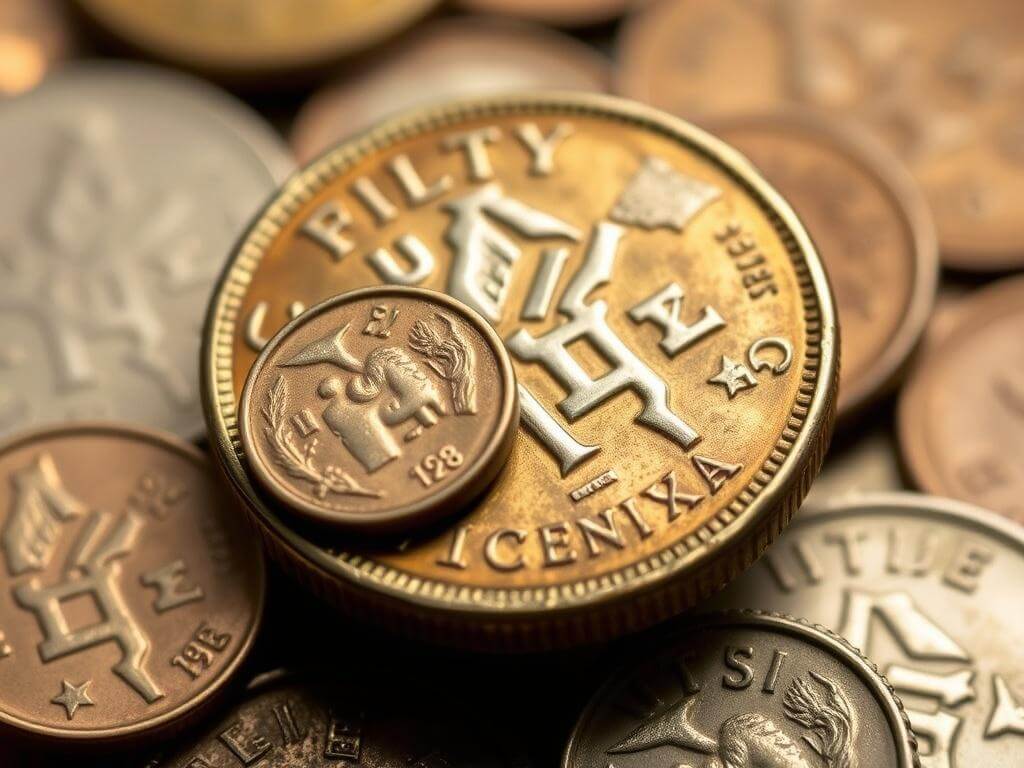
Metal value follows the current spot price for gold, silver, or other metals. Convert the coin’s metal content to troy ounces, then multiply by the spot price. Online calculators simplify this. If a coin’s numismatic value is below melt, it’s typically worth selling for metal on the bullion market; if higher, you have a collectible worth researching more thoroughly.
When melt value matters most
Melt value tends to dominate for large volumes of common bullion coins (e.g., circulated pre-1965 silver coins, modern bullion rounds), but collector demand can trump melt for interesting dates, rare mint marks, or high-grade examples. Always compare both lines of value before selling.
Authentication and Detecting Counterfeits
Counterfeits exist for popular, high-value coins—and bad actors sometimes try to pass common housings as rarities. Authentication starts with the basics: weight, diameter, thickness, and visual inspection. A coin that’s slightly wrong on weight or dimension should raise doubts.
Simple tests can help screen obvious fakes: a magnet will reveal many base-metal counterfeits pretending to be silver or gold. A digital scale can detect weight discrepancies. A visual inspection under magnification can show casting seams, bubbles, or incorrect lettering—clues to forgery.
For anything potentially valuable, especially in gold or high-grade rare coins, professional authentication is worth the cost. Reputable third-party graders (PCGS, NGC, ANACS) will slab and certify the coin, giving buyers confidence and usually increasing liquidity and price.
Where to Research Prices: Books, Websites, and Auction Records
Once you know what you have and how it looks, consult multiple price references. No single source is perfect; cross-checking gives you a realistic market range.
| Resource | What it provides | Best for |
|---|---|---|
| Red Book (A Guide Book of United States Coins) | Mintage, historical overview, retail price ranges | U.S. collectors and general reference |
| PCGS & NGC Price Guides | Real-time market values, population reports for certified coins | Current market pricing and certified coin data |
| eBay completed listings | Actual sale prices for comparable coins | Current retail/auction market comparisons |
| Heritage/Stack’s Bowers archives | Auction records for high-value, rare coins | Researching exceptional or unique examples |
| Numismatic forums and specialist sites | Peer feedback, variety identifications, and image-based help | Varieties, errors, and community expertise |
When checking online marketplaces, filter by “sold” or “completed” listings to see real prices, not asking prices. Compare coins by grade and variety; even small differences in grade make major swings in value.
Where and How to Sell: Platforms Compared
Deciding where to sell depends on your goals: maximum price, fastest sale, or simplicity. Below is a comparison of common options.
| Platform | Pros | Cons | Typical Fees |
|---|---|---|---|
| eBay | Large audience, easy to list, strong picture-driven market | Buyer uncertainty, shipping risks, variable sale prices | Final value fees + payment processing (~10% total) |
| Auction House (e.g., Heritage) | Best for high-value rarities, professional marketing | Consignment fees, time to sale, minimum reserves | Seller commissions vary (often 10–20%) |
| Local Coin Dealer | Quick sale, immediate cash, no shipping | Dealer margin—typically below retail | Negotiated; often less than auction net |
| Online Dealers / Marketplaces | Convenient, some specialize in niches | Variable trustworthiness; shipping and return policies matter | Depends on platform |
| Coin Shows and Clubs | Direct interaction, educational environment | Limited buyer pool for unusual items | Table fees or club membership costs |
If your coin is potentially valuable, get multiple offers. For very rare pieces, auctions or consignments usually produce the best results because they reach specialized collectors who will pay premiums for particular pieces.
When to Get a Coin Graded
Third-party grading seals a coin in a tamper-evident holder with a grade and certification number. Grading increases buyer confidence, helps with high-end sales, and can significantly affect the price for high-value coins. But grading costs money, and turntimes vary.
Consider grading if:
- The coin is from a series where grading premiums are common (U.S. gold, classic U.S. silver, high-grade moderns).
- It appears to be in an exceptionally high grade (MS65+ for many series).
- It might be a rare variety or error that benefits from expert authentication.
A walk-in dealer might offer to submit a coin for grading on consignment; alternatively, you can submit directly to PCGS or NGC following their submission instructions and fee schedule. Factor in grading fees, shipping, and the chance the grade may be lower than you expect—which affects resale price.
Packing, Storing, and Photographing Coins for Sale or Appraisal
Presentation matters. If you plan to sell or seek appraisal, protect the coin and photograph it well. Use soft gloves and avoid touching surfaces. Place coins in a neutral, non-reflective holder (2×2 flips, mylar, or plastic capsules) for photos.
Good photos are well-lit, in-focus, and show both sides plus close-ups of any marks, mint marks, and areas of interest like errors or toning. Use a tripod or steady surface to avoid blur. Buyers and experts make assumptions from images, so clear, honest photos help you avoid disputes and improve sale chances.
Common Mistakes to Avoid
People often make avoidable errors when evaluating or selling coins. Avoid these pitfalls:
- Cleaning coins—removes original surfaces and cuts value
- Assuming rarity from age alone—many old coins are common
- Relying on a single price source—cross-check multiple references
- Skipping authentication for high-value pieces—counterfeits do exist
- Not documenting provenance for expensive coins—history can add value
Step-by-Step Checklist: How to Check Value of an Old Coin
Use this checklist as a practical workflow when you find a coin you want to evaluate.
- Clean hands, soft surface, good light. Photograph both sides.
- Use a loupe to read date and mint mark; note any unusual features.
- Weigh and measure the coin; compare to official specs for the series.
- Estimate grade visually—look for wear, luster, and marks.
- Check for obvious varieties or errors with references or forums.
- Compare to price guides and completed auction listings for similar grade.
- Decide if authentication/grading is warranted for higher value.
- If selling, choose platform based on value and urgency; get multiple offers.
When Something Surprises You: Rare or High-Value Finds
If you find something that looks rare or unusually valuable, take a breath. Don’t clean or attempt intrusive tests. Contact a reputable dealer or submit photos to a trusted forum or auction house for a preliminary opinion. For very valuable coins, professional appraisal and secure, insured transport to a specialist are prudent steps.
Well-documented provenance and clear, high-quality images will bring you the best outcomes when selling or consigning. A certificate from a major grading service dramatically increases buyer confidence and marketability.
Final Thoughts: Be Curious, Be Careful
Coins are both historical artifacts and pieces of a market. A sensible approach—identify, document, research, and protect—will get you reliable answers and better outcomes whether you’re a beginner or an experienced collector. The tools and resources are accessible, and the community of collectors is unusually helpful when approached with clear photos and thoughtful questions.
Above all, patience pays. A single coin can have different values depending on the moment, the buyer, and the marketplace. By learning how to check value carefully, you’ll make smarter decisions and keep unexpected treasures from slipping through your fingers.
Useful Resources and Further Reading
Consider adding these references to your shelf or bookmarks: the Red Book for U.S. coins, PCGS and NGC price guides and population reports, auction archives (Heritage, Stack’s Bowers), and active numismatic forums where experienced collectors and specialists share identifications and advice. Combine those resources with close inspection and you’ll be in a strong position to judge value accurately.